


We are pleased to introduce a Japanese black tea produced in Tsukigase, Nara Prefecture, using Benihikari, a tea cultivar grown without the use of chemical fertilizers or pesticides.
This tea is the result of a close collaboration with the local tea grower, with whom I have worked personally to refine and improve the production process.
Many Japanese black teas tend to have an undesirable "steamed" or stuffy aroma caused by insufficient control during the oxidation process, and this characteristic is sometimes mistaken as part of the identity of Japanese black tea. With this tea, our goal was to overcome this issue by carefully managing the oxidation process, resulting in a cleaner, more refined cup that fully expresses the natural character of the tea.
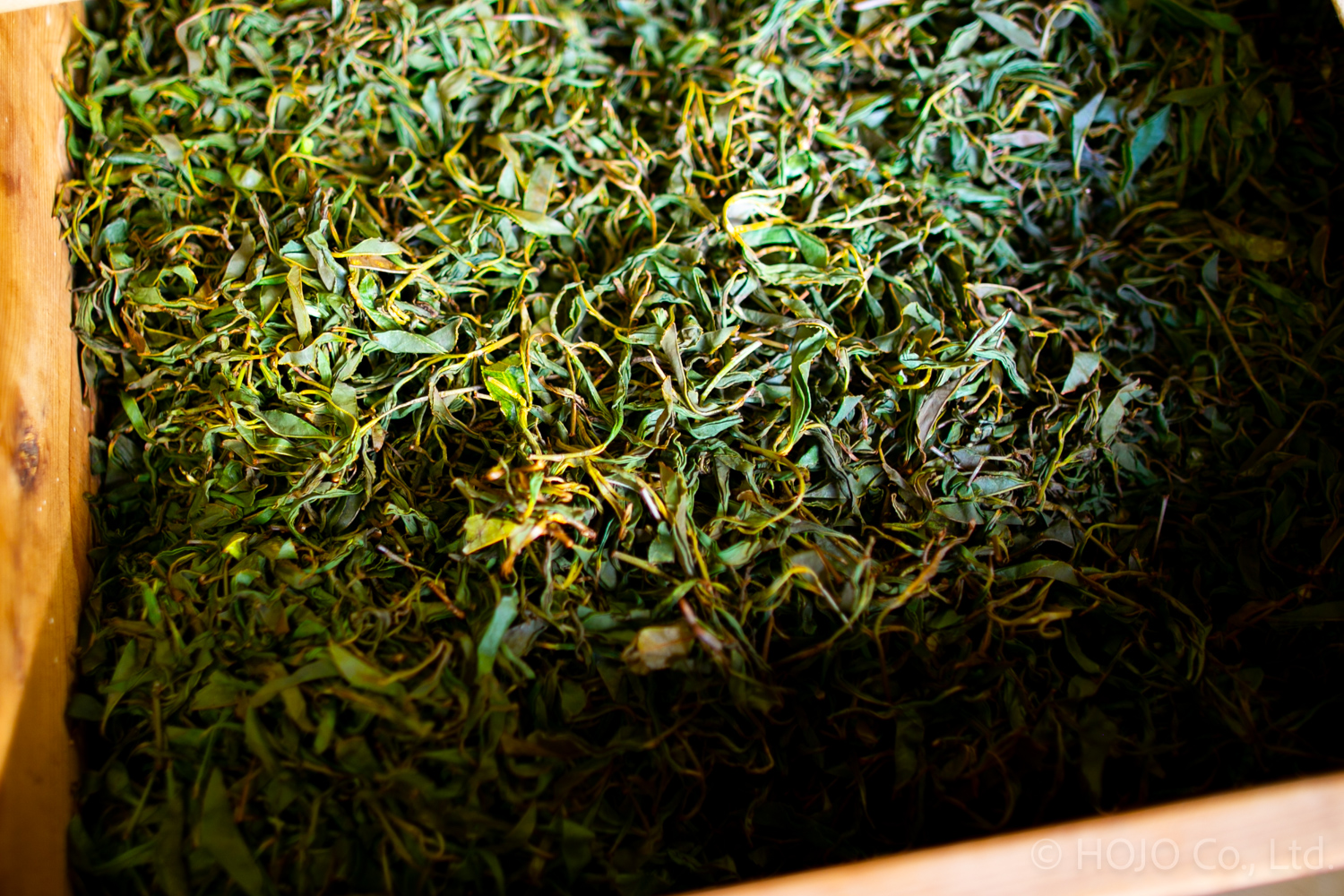
Pesticide-Free Benihikari Black Tea from Tsukigase, Nara
Tsukigase, now part of Nara City, was formerly known as Tsukigase Village before being incorporated into the city in 2005. Although the administrative boundaries have changed over time, the region has preserved its rich natural environment and unique tea-growing heritage.
Located in the northeastern part of Nara Prefecture, Tsukigase borders Minami-yamashiro Village in Kyoto and Iga City in Mie Prefecture. The Nabari River runs through a deep valley, while tea gardens and plum orchards flourish on the surrounding hillsides. The significant difference in elevation between the valley floor and the mountain slopes creates large temperature variations between day and night. These natural conditions gently stress the tea plants, allowing them to develop a smooth, well-balanced taste with a remarkably clean and elegant aroma.
The region's soil was formed from the ancient Lake Biwa sedimentary layers, dating back approximately one to five million years. These geological deposits contain mineral-rich sediments and fossils, while the upper layers are characterized by distinctive red soil. Many of the finest tea gardens, including the one where this tea is cultivated, are located on these red-soil slopes.
Rich in iron and other minerals, the soil contributes to the tea's lingering finish and depth of flavor. As the tea gardens are planted on steep hillsides rather than flat land, the tea plants develop deep root systems to draw water and nutrients from the lower layers of the soil. This enables the plants to absorb a wider range of minerals, resulting in a tea with greater complexity, clarity and a long, satisfying aftertaste.
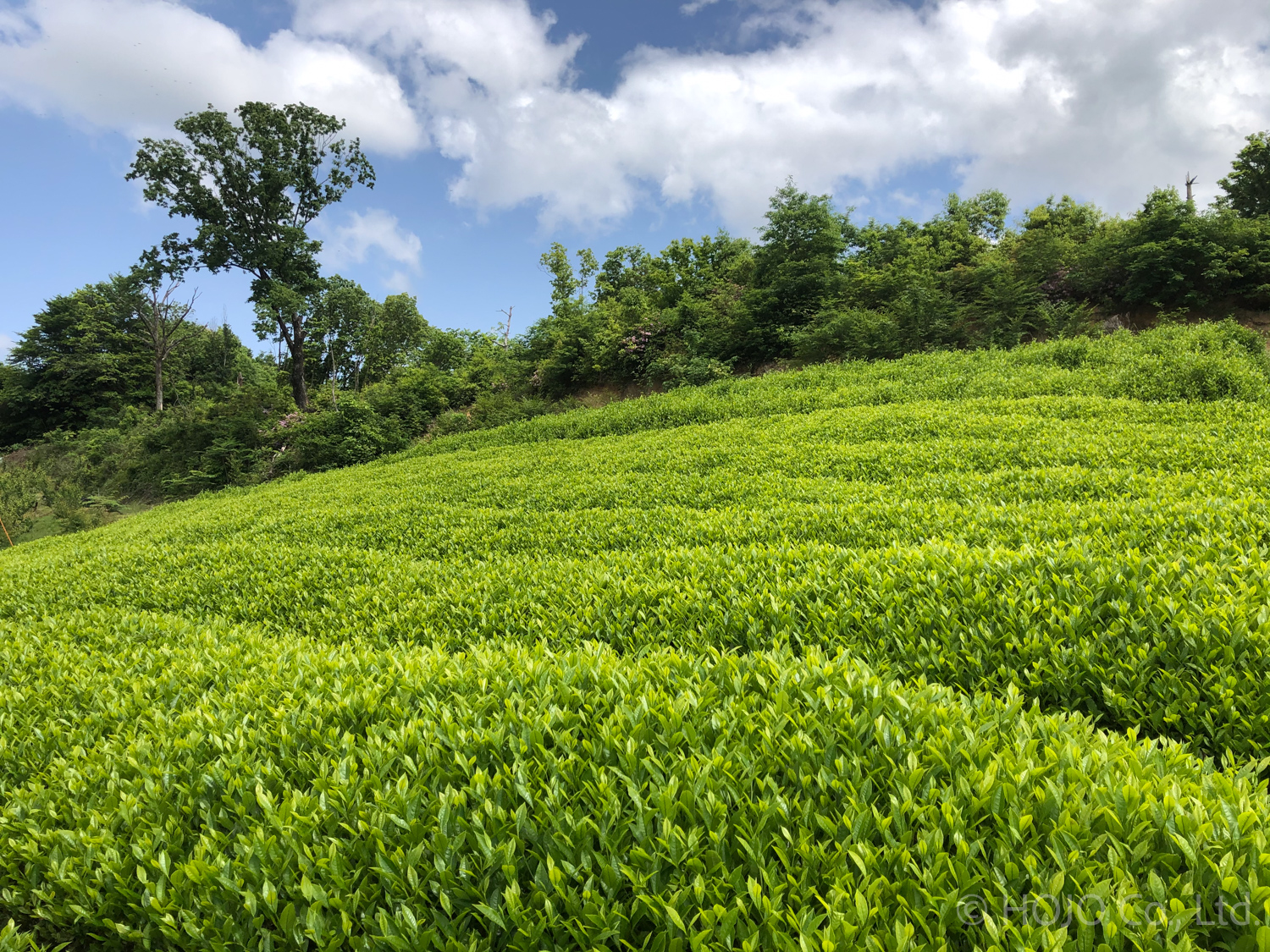
Tsukigase Tea Garden
The Importance of Oxidation Control in Black Tea Production
Japanese black tea, commonly known as Wakoucha, is often said to have a distinctive aroma. While many people regard this as the characteristic fragrance of Japanese black tea, our experience has shown that, in many cases, this aroma is not an inherent quality of the tea itself. Instead, it is often the result of insufficient control during the oxidation process.
In Japan, many tea producers use equipment originally designed for green tea to manufacture black tea. However, these machines are not ideally suited for black tea processing. As a result, the critical stages of production—particularly the heating process that stops enzymatic activity and the drying process that reduces moisture—may not be adequately controlled. This allows oxidation enzymes to continue working longer than intended.
When oxidation proceeds excessively, tea polyphenols become over-oxidized, producing high levels of theaflavins and especially thearubigins, while amino acids begin to break down. This can create an undesirable "stuffy" or "steamed" aroma that masks the tea's natural fragrance.
From our perspective, this aroma should not be regarded as the characteristic scent of Japanese black tea. Rather, it is a quality defect caused by insufficient process control during manufacturing. Similar issues can also be found in black teas produced in Taiwan, China and India when oxidation is not properly managed.
For this reason, we place great emphasis on how every stage of the manufacturing process is designed and controlled. We carefully evaluate each production batch, paying close attention to oxidation and drying conditions, before assessing the finished tea. Only teas with a clean, refined aroma—free from noticeable stuffy or over-fermented notes—are selected exclusively for Hojo Tea.
This commitment allows us to present a Japanese black tea that expresses the purity of its cultivar and terroir, with greater clarity, elegance and balance in every cup.
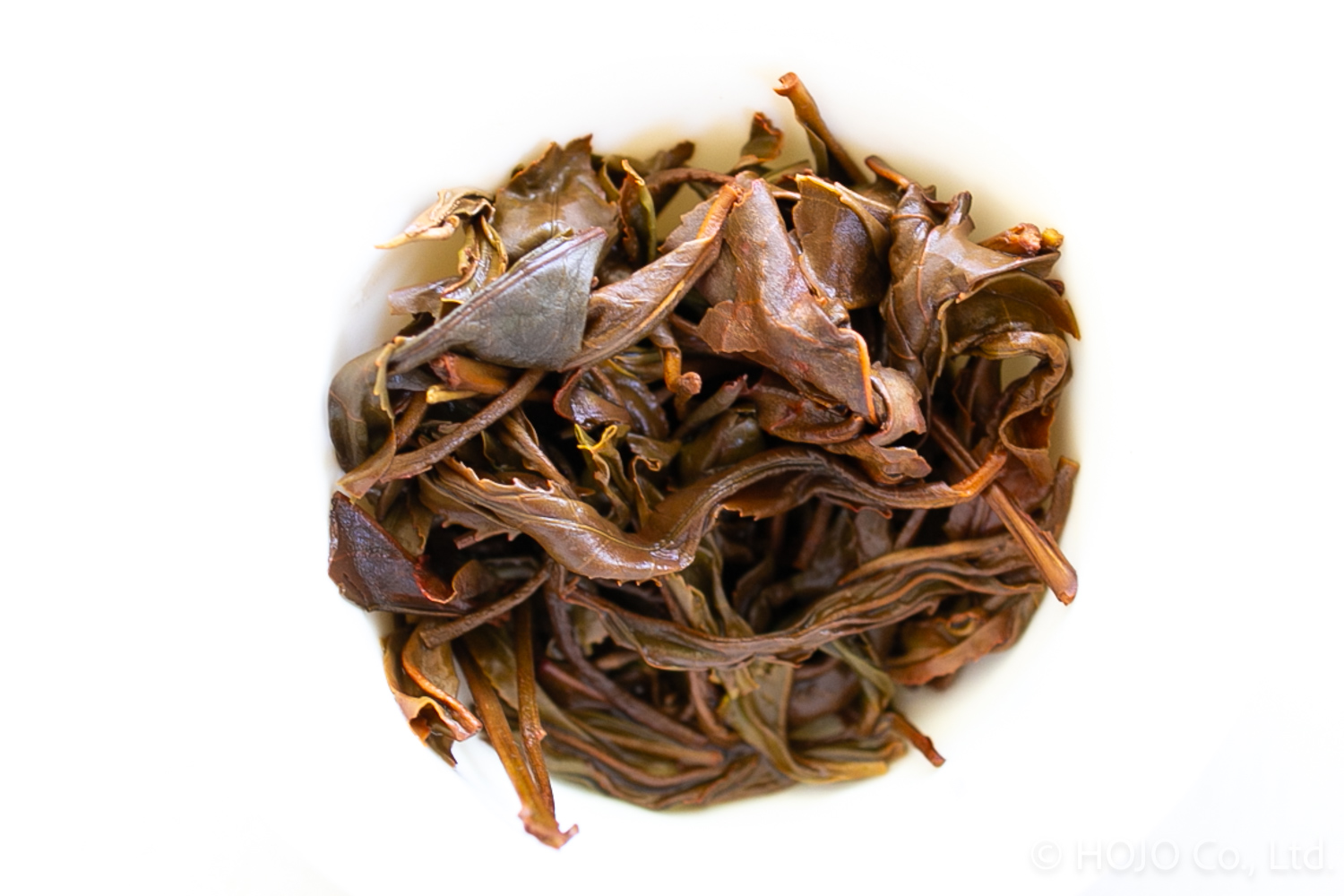
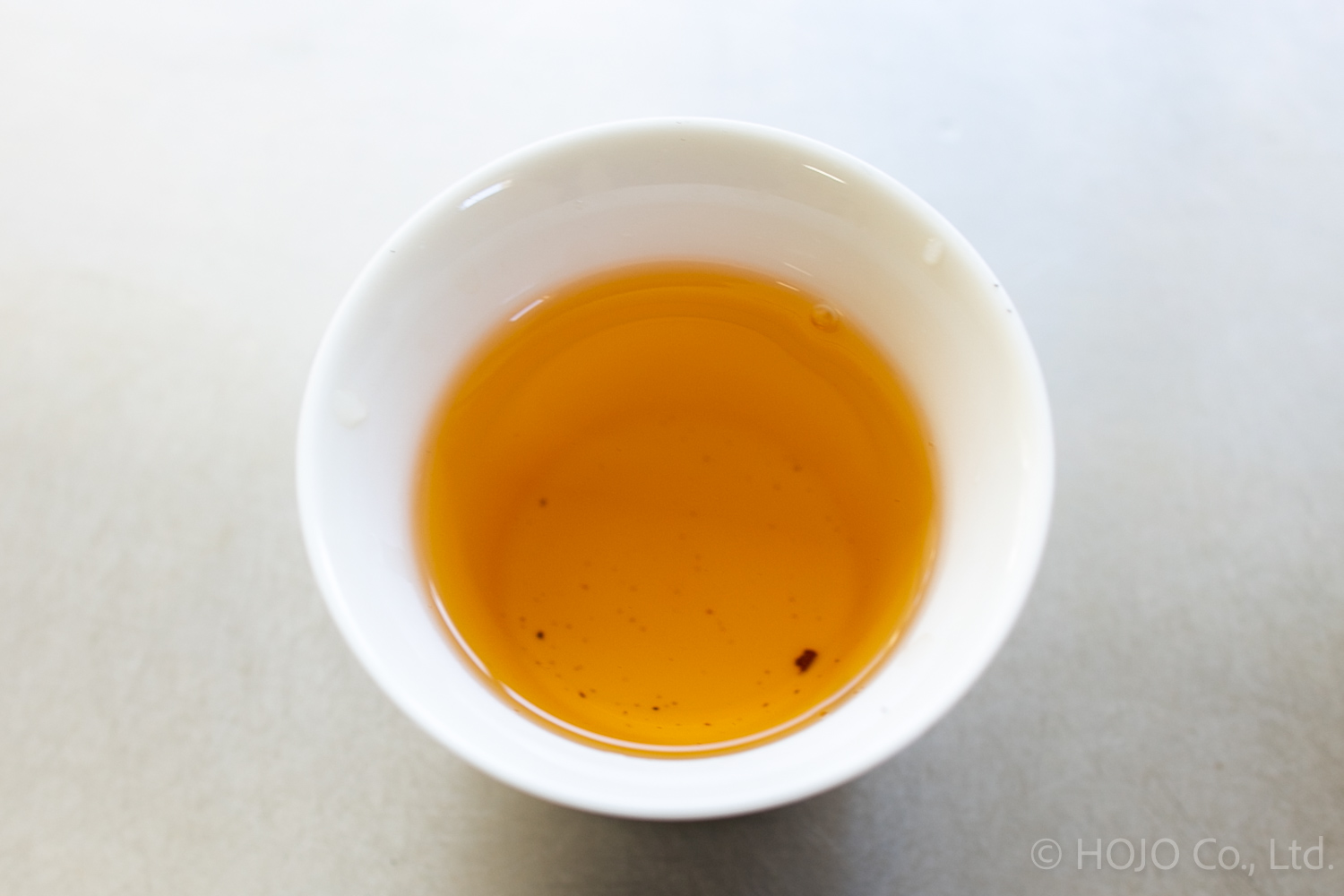
A Japanese Black Tea with Notes of Pineapple, Grapes and Honey
Benihikari is a Japanese tea cultivar developed in 1969 specifically for black tea production. It was created by crossing Benikaori with a Chinese tea variety, resulting in a distinctive character with a refreshing menthol-like aroma.
This black tea is lightly oxidized, though not to the same degree as a Darjeeling First Flush. Its lighter style allows the tea to retain a vibrant and refreshing fragrance, featuring delicate hints of natural menthol alongside elegant notes of pineapple, grapes and honey.
The liquor is clean, bright and refined, with a refreshing finish that lingers pleasantly on the palate. Even after multiple infusions, the tea continues to reveal its pure and expressive aroma, making it an enjoyable tea to savor over several brews.